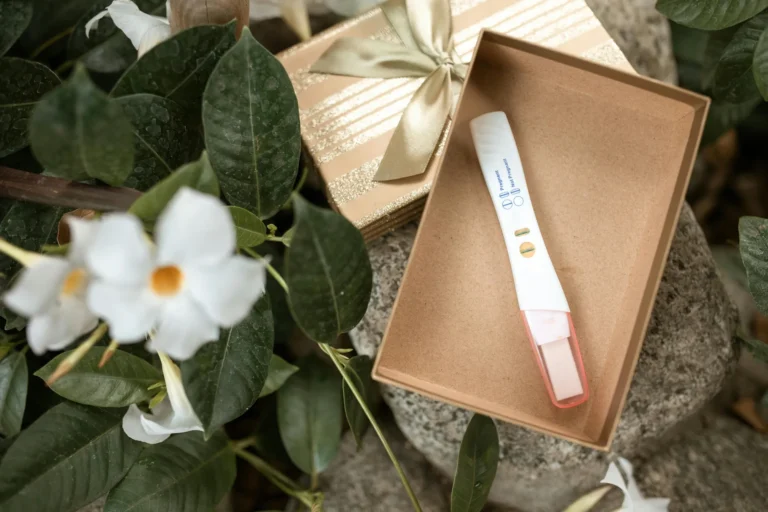
Fertility tracking history

Natural Family Planning (NFP) has enjoyed growing interest for years among women who want to better understand their bodies, cycles, and fertility. Modern tools, such as ovulation thermometers, are the culmination of centuries of work on methods for observing the menstrual cycle. How did we get to this point? Discover the history of fertility tracking and the development of technologies that today support women on their paths to motherhood or consciously avoiding pregnancy.
From intuition to science
For thousands of years, women relied on intuition and observations of their own bodies to monitor fertility. In ancient cultures, menstrual calendars were popular for tracking cycle length. However, the lack of knowledge about the biological foundations of fertility made these methods imprecise.
In the 19th century, scientific progress brought a new perspective on the menstrual cycle. In 1868, German physician Carl Credé was the first to describe changes in body temperature in the context of ovulation. This discovery became the basis for further research into thermal indicators of fertility.
The first ovulation thermometers
The beginnings of ovulation thermometers date back to the 1930s, when Dr. Kyusaku Ogino in Japan and Hermann Knaus in Austria developed the so-called calendar method. It was based on observing body temperature in combination with cycle length. Women began using classic mercury thermometers, which allowed for daily measurement of basal body temperature—taken immediately after waking.
In the 1950s, the thermal method was expanded by John and Evelyn Billings, who added observation of cervical mucus. However, despite greater accuracy, the monitoring process was time-consuming and required strong consistency.
Technological development – from mercury to digitization
With technological progress came digital ovulation thermometers. This eliminated the issue of imprecision and the risks associated with mercury. In the 1980s, the first devices with memory appeared, capable of storing daily measurements. Women gained the ability to analyze trends without having to record results by hand.
Today we have next-generation ovulation thermometers at our disposal, such as smart basal body temperature thermometers that work with mobile apps. These devices not only take measurements accurate to two decimal places, but also analyze data and predict fertile days. As a result, NFP has become more accessible and intuitive.
Why choose modern ovulation thermometers?
Today’s ovulation thermometers offer more than just temperature measurement. Advanced technologies make it possible to:
- Monitor temperature automatically – the device independently identifies the best time to measure, eliminating user error.
- Maintain privacy and control – data is available only to the user.
- Plan or avoid pregnancy – precise analyses help both with natural family planning and in identifying potential health issues.
The history of fertility tracking is the story of women who for centuries have sought to understand their bodies. Today’s ovulation thermometers are the result of years of research and technological progress, offering not only convenience but also precision and support in caring for intimate health. It is a tool that changes many women’s lives, allowing them to make informed decisions about their fertility and motherhood.
If you’re interested in NFP, it’s worth considering investing in a modern ovulation thermometer. It can be the first step toward a deeper understanding of your body and health.