How to interpret the results of hormonal tests?
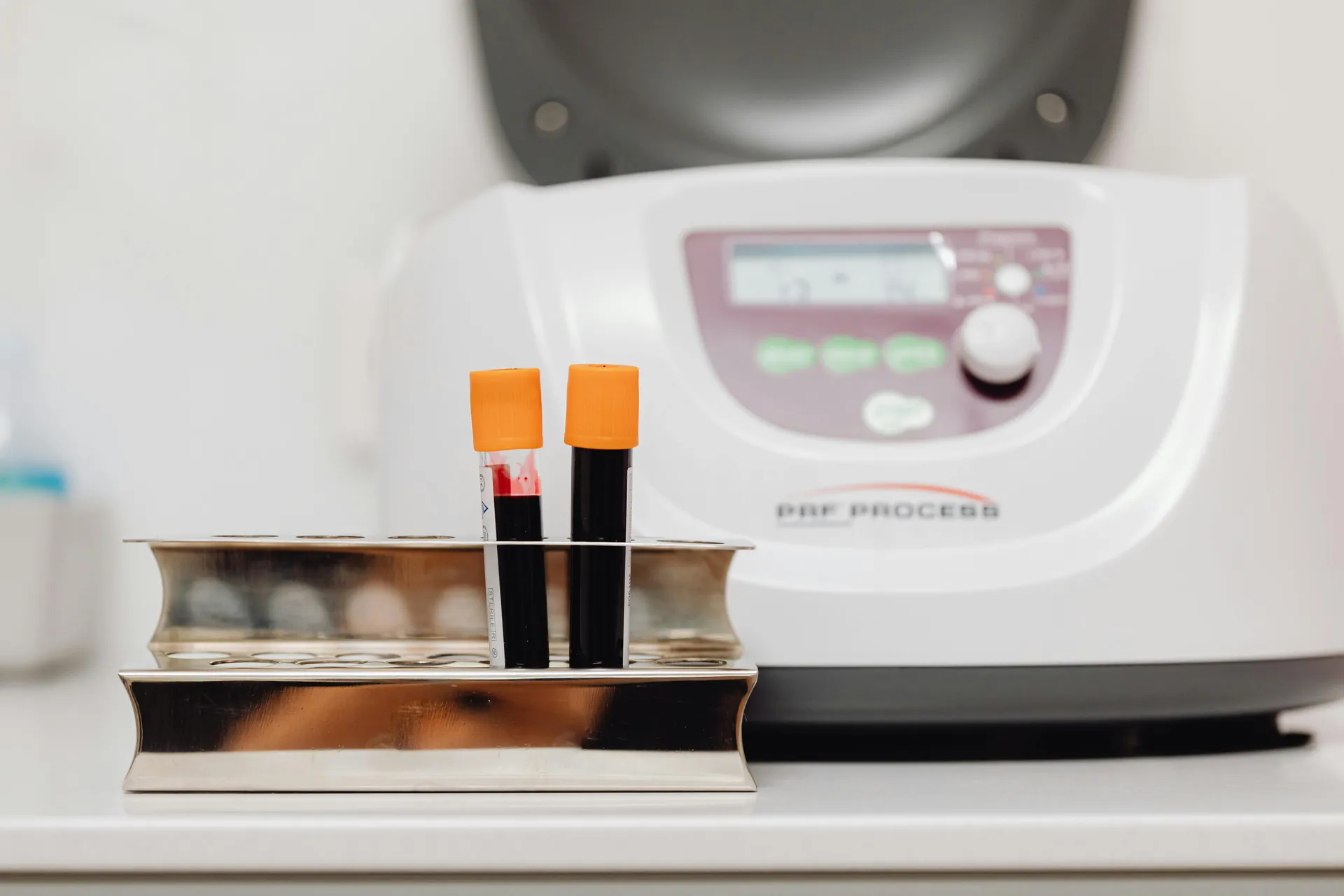
Hormones play a key role in every woman’s health, and their levels can reveal a lot about fertility and the menstrual cycle. If you’re wondering what your hormone test results mean and how to connect them with your daily observations, this guide will clear up your doubts!
AMH (anti-Müllerian hormone)
AMH helps assess ovarian reserve, meaning the number of ovarian follicles. It is particularly important for women planning pregnancy at a later age.
- Reference ranges: A result above 1 ng/ml indicates a good reserve, but values may vary depending on the laboratory.
- Interpretation: A low AMH level does not always mean infertility, but it may indicate the need to plan pregnancy sooner.
FSH (Follicle-Stimulating Hormone)
FSH regulates the maturation of ovarian follicles. Its level is usually measured at the beginning of the cycle (day 2–5).
- Reference ranges: The optimal level is about 3–10 mIU/ml.
- Interpretation: A high FSH level (>12 mIU/ml) may indicate reduced ovarian reserve.
Estradiol (E2)
Estradiol is the main estrogen in a woman’s body. The test is performed together with FSH.
- Reference ranges: In the follicular phase it is about 30–120 pg/ml.
- Interpretation: Elevated estradiol at the beginning of the cycle can mask an FSH issue and indicate low oocyte quality.
Progesterone
Progesterone is a key hormone in the second phase of the cycle and enables pregnancy maintenance. Its level is measured about 7 days after ovulation.
- Reference ranges: In the luteal phase it should be >10 ng/ml.
- Interpretation: A low progesterone level may cause difficulties with conceiving or maintaining a pregnancy.
Prolactin
Prolactin regulates lactation, but its excess can disrupt ovulation. The test is performed in the morning, fasting.
- Reference ranges: 4–23 ng/ml.
- Interpretation: Elevated prolactin (>25 ng/ml) may indicate hyperprolactinemia, which requires treatment.
TSH (thyroid-stimulating hormone)
TSH regulates thyroid function, which has a significant impact on fertility and the menstrual cycle.
- Reference ranges: 0.4–4.0 mIU/l, although for women planning pregnancy a level below 2.5 mIU/l is recommended.
- Interpretation: Both hypothyroidism and hyperthyroidism can cause fertility problems.
How to interpret the results?
- Don’t go it alone – always consult your hormone test results with a gynecologist or endocrinologist.
- Context is key – results must be interpreted in the context of your age, cycle phase, and medical history.
- Monitor your cycle regularly – observations such as changes in body temperature and ovulation signs can provide additional insights.
How does an ovulation thermometer help monitor hormones?
Basal body temperature (BBT) is a hormonal indicator you can monitor at home daily. With an ovulation thermometer, you can notice:
- A temperature rise after ovulation, which indicates progesterone secretion.
- Temperature instability in different phases of the cycle, which may indicate hormonal issues.
- Lack of a clear temperature rise, which may suggest anovulatory cycles.
Modern ovulation thermometers that work with apps automatically analyze data, making it easier to identify fertile days and potential irregularities. This helps you prepare better for a doctor’s visit and provide additional information.
Summary
Interpreting the results of hormone tests requires considering many factors, but regularly monitoring your cycle with an ovulation thermometer can be extremely helpful in identifying issues. Awareness of your own body is the first step to taking care of your health and fertility—whether you’re planning a pregnancy or simply want to better understand your cycle.