How to track your cycle across different time zones?
Modern life full of travel, time zone changes, and a dynamic daily routine can be a challenge for those tracking their menstrual cycle. However, with modern tools and proper preparation, it’s possible to effectively monitor your cycle even during frequent trips. In this article, we’ll discuss practical tips and tools that make managing your cycle easier in changing conditions.
Impact of travel on the menstrual cycle
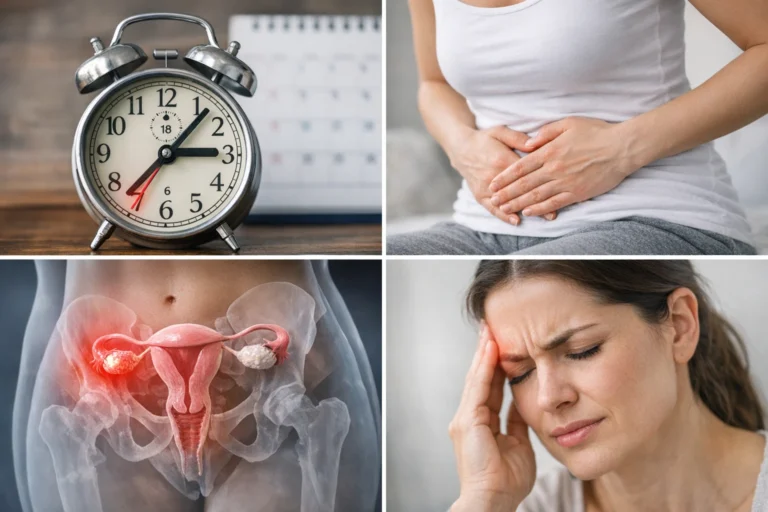
Time zone changes, fatigue, and travel-related stress can affect the regularity of the menstrual cycle. Here are a few factors to consider:
Change in circadian rhythm: Time shifts can disrupt sleep patterns and affect hormonal balance.
Stress and fatigue: An intense travel schedule can influence cortisol levels, which in turn may disrupt ovulation.
Changes in diet and hydration: Travel often involves irregular meals or dietary changes, which can affect metabolism.
Tools that make cycle tracking easier while traveling
Mobile apps Modern cycle-tracking apps such as Flo, Clue, or Natural Cycles let you monitor changes in your body regardless of location. Make sure the app accounts for time zone changes.
Ovulation thermometers
Thermometers that measure basal body temperature (BBT) are ideal tools for those using Natural Family Planning (NFP). Choose a device that automatically records data and syncs with a mobile app. An additional convenience in everyday use may be choosing vaginal thermometers, applied before sleep, which take the measurement on their own at the appropriate time.
Monitoring cervical mucus and other signs
Observing cervical mucus or the cervix does not require technology and can be done anywhere. Regularly recording your observations is important.
Tips for travelers
Prepare before you leave
Plan which tools you will use during your trip.
Make sure your devices are charged and your apps are up to date.
Adjust measurements to the new time zone
After arrival, try to quickly adapt your circadian rhythm to local time.
Take your basal temperature right after waking, even if the time differs from your usual hour.
Mind your hydration and diet
Travel can affect eating habits, which may disrupt your cycle. Aim for balanced meals and avoid excessive caffeine or alcohol.
Minimize stress
Find ways to relax, such as meditation or gentle exercise, to reduce the negative impact of cortisol.
Consult an expert
If you have concerns about tracking your cycle while traveling, consult a doctor or an NFP specialist.
Tracking your menstrual cycle while traveling, though it can be challenging, is entirely possible thanks to modern tools and proper planning. The key is adapting your habits to changing conditions, keeping measurements consistent, and supporting your body with an appropriate diet and hydration. This way, you can effectively track your cycle anywhere in the world and successfully plan your family.